Why a basement ends up feeling like a basement
Most basements get finished the same way: one long rectangle, a television at one end, and a sofa nobody sits on. The room looks fine in a drawing and the family still goes upstairs. A lower level has to earn its square footage the way any other floor does, by deciding what the room is for before anything gets framed.
Z Construction starts from the uses a household actually asks for: living space, entertainment, a home office, recreation. Each one wants something different from the plan. An office wants a door that closes. A game room wants open floor and a clear line to the screen. A theatre wants a room that can go dark.
That conversation happens in the free consultation, before any scope is written. Brad and Shari would rather hear how your family will use the space than hand you a standard layout.
Bars, theatres, gyms and the rooms between
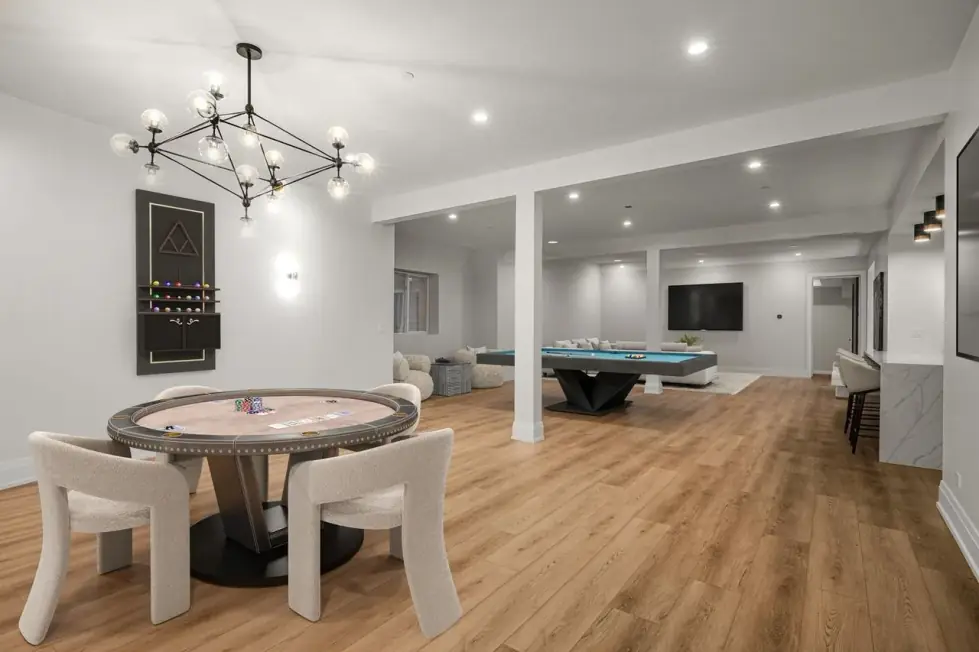
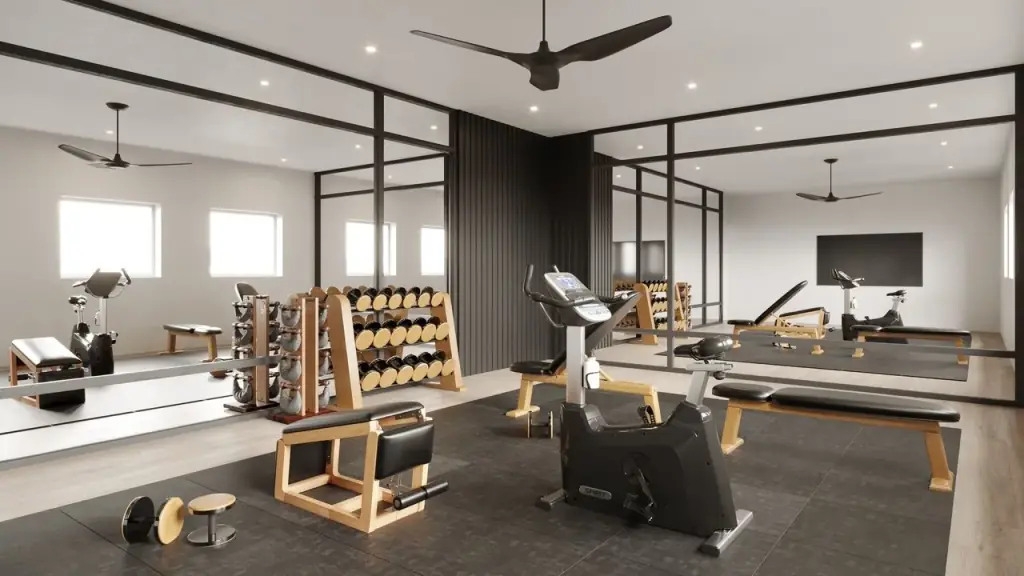
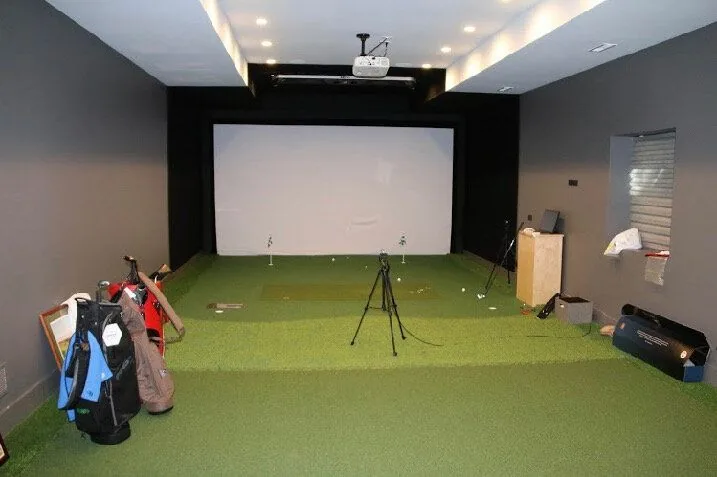
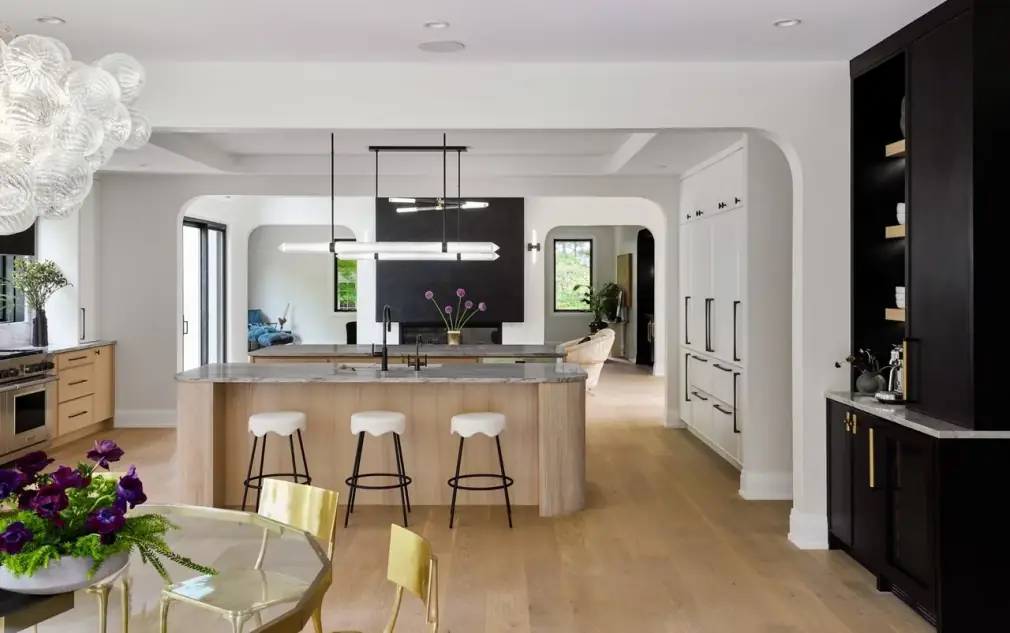
The finished spaces in the photos below run from a basement bar and a game room to a home theatre, a home gym, a golf simulator and a wine cellar. They are different rooms with the same job: build something specific to one household and make it feel like part of the house, not an annex under it.
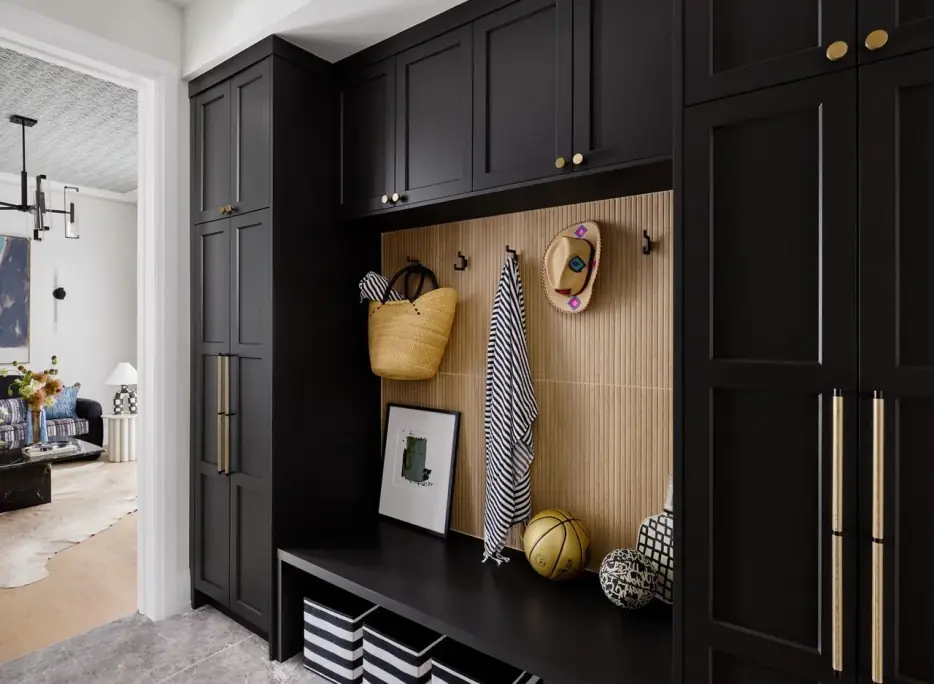
The same thinking applies on the main floor. A mudroom is a storage problem first: where the coats, bags and boots land when everyone walks in at once. Built-in cabinetry, hooks and a bench solve it better than any amount of floor space.
Outside the walls, the work includes outdoor spaces and deck construction and installation, plus other areas of the home that don't fit a standard category. One firm runs it, so the deck and the basement below it answer to the same schedule.
A clean site, and someone who answers afterward
Finishing a lower level means trades in and out of the house for weeks, and clients notice how that goes. Stacie C. wrote, “They kept the project as clean as possible while doing a remodel.” Lori F. wrote, “Cleaned up the job site daily.”
Z Construction has been doing this since 2001, with more than 500 projects behind it, and is licensed, insured and bonded. When a small problem turns up after the project is done, the people who built it are the ones you call.